
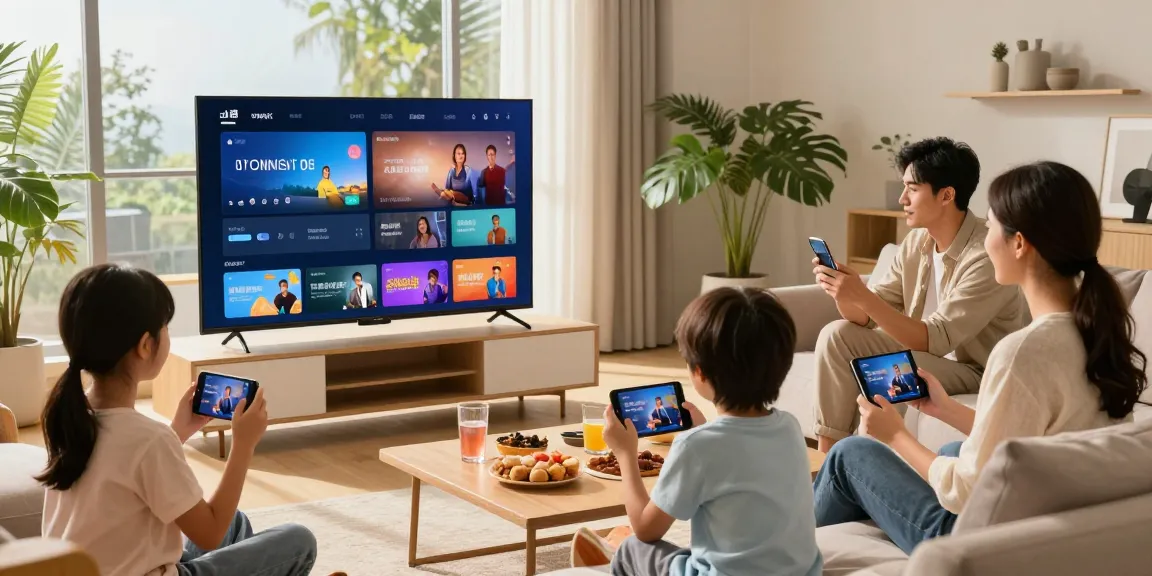
Understanding Streaming TV Services in 2026
As we move further into 2026, the landscape of television consumption continues to evolve rapidly. With the advent of high-speed internet and increasing demand for on-demand content, many viewers are shifting away from traditional cable services in favor of more flexible alternatives. This transition aligns with a broader trend towards Streaming TV services that cater to diverse viewing preferences, allowing users to access their favorite shows, movies, and live events anytime and anywhere. In this article, we'll delve into what streaming TV services are, how they operate, and how they compare to traditional cable.
What Are Streaming TV Services and How Do They Work?
Streaming TV services refer to platforms that deliver TV programming and movies over the internet rather than through traditional broadcasting methods like cable or satellite. This delivery method—commonly known as Internet Protocol Television (IPTV)—allows viewers to access content through their devices, such as smart TVs, computers, tablets, and smartphones. Users can subscribe to these services on a monthly or yearly basis, often without the lengthy contracts associated with traditional cable subscriptions.
The Evolution of TV Consumption: From Cable to Streaming
The transition from cable to streaming has been underway for several years, but 2026 marks a pivotal moment in this shift. High subscription costs, restrictive contracts, and limited flexibility have made cable television less appealing to viewers. In contrast, streaming services provide a plethora of options at a fraction of the cost, reflecting the growing consumer preference for tailored content. This evolution is driven by an ever-expanding library of on-demand titles and an increasing number of platforms offering live TV options.
Key Benefits of Switching to Streaming TV Services Today
- Cost-Effectiveness: Streaming services generally offer lower monthly fees compared to traditional cable packages, often resulting in significant savings.
- Flexibility: Viewers can choose from various subscription models, allowing them to customize their viewing experience based on their needs.
- Device Compatibility: Most streaming services can be accessed on multiple devices, so you can watch your favorite shows anytime, anywhere.
- Vast Content Libraries: Streaming platforms host extensive libraries of content, including movies, series, and live broadcasts across various genres.
Comparative Analysis of Streaming TV Services
With so many options available, it's essential to compare the different types of streaming TV services to understand their features, costs, and content offerings better. This analysis will help you determine which service is the best fit for your entertainment needs.
IPTV vs. Traditional Cable: A Cost Breakdown
When comparing IPTV services to traditional cable, the most striking difference is in cost. Traditional cable subscriptions can range from $120 to $180 per month for a standard package, which typically includes about 200 to 300 channels, many of which may not be of interest to average viewers. Conversely, IPTV services like Livetvfortv provide over 15,000 channels for a starting cost of just $5.83 per month, making it a more economically viable option for those looking to cut costs without sacrificing content quality.
Live Sports Access: What You Need to Know
One of the main concerns for sports fans is whether streaming services can adequately fulfill their live sports needs. While traditional cable often requires expensive add-ons for sports channels, most streaming platforms fragment sports coverage across multiple services, leading to potential gaps in viewing options. IPTV, particularly with services such as Livetvfortv, stands out by offering comprehensive sports coverage across major leagues like the NFL, NBA, MLB, and more, all under a single subscription.
Exploring On-Demand Content Across Platforms
On-demand content is a significant draw for streaming services, allowing viewers to watch shows and movies at their convenience. Platforms like Netflix and Hulu have amassed vast libraries of on-demand content, but they often lack live TV options. In contrast, IPTV services combine both live TV and a robust on-demand library—Livetvfortv, for example, boasts over 100,000 movies and series available on demand, ensuring that viewers have access to a comprehensive entertainment experience.
Choosing the Right Streaming TV Service for Your Needs
With such a wide array of streaming options, choosing the right service can feel overwhelming. However, by assessing your viewing habits and preferences, you can simplify your decision-making process.
Assessing Your Viewing Habits and Preferences
Consider what content you watch most frequently. If you primarily enjoy on-demand movies and series, a service like Netflix may suffice. However, if you watch live sports regularly or prefer a mix of live and on-demand content, IPTV with Livetvfortv could be a better fit, providing both live programming and an extensive library of on-demand titles.
Budgeting for Streaming Services: A Practical Approach
When budgeting for streaming services, compare the total monthly costs of potential subscriptions. You may find that while individual services might seem affordable, the cumulative costs can rival—or even exceed—your previous cable bill. Here, IPTV shines again; with plans starting at just $5.83, you can save a considerable amount while gaining access to an expansive content library and live TV.
Flexibility and Convenience: The Allure of Streaming
One of the standout features of streaming services is their flexibility. Unlike traditional cable, which typically locks you into lengthy contracts, most streaming platforms, including IPTV, allow you to subscribe or cancel at your convenience. This convenience caters to the modern viewer's lifestyle and viewing patterns, allowing you to adjust your subscriptions as your preferences change.
Future Trends in Streaming TV Services through 2026 and Beyond
As technology continues to advance, streaming TV services are expected to evolve further, introducing innovative features and new content formats. Keeping an eye on these trends will help you stay ahead of the curve in your streaming experience.
Innovations in Streaming Technology to Anticipate
Expect to see advancements in streaming technology, including improvements in ultra-high-definition (UHD) and 8K streaming. Enhanced algorithms for content recommendation, personalized viewing experiences, and improved user interfaces are also on the horizon, aiming to make content discovery easier and more enjoyable.
The Rise of Bundled Streaming Packages
As competition intensifies among streaming providers, bundled packages that combine multiple services are becoming a popular trend. These packages may offer significant savings and the convenience of managing multiple subscriptions under one roof. Keeping an eye on these developments will ensure you get the best value for your money.
Regulatory Changes Impacting Streaming Services
Regulatory changes can significantly impact streaming services, from taxation to content distribution laws. As government entities continue to evaluate the digital landscape, staying informed about pending changes will help consumers make educated choices about their subscriptions and services.
Frequently Asked Questions About Streaming TV Services
Are Streaming TV Services Cheaper than Cable?
Generally, yes. While traditional cable packages can range from $120 to $180 monthly, many streaming services offer prices significantly lower, often starting as low as $5.83 per month for comprehensive packages.
Do Streaming Services Offer Live Sports?
Some streaming services do offer live sports, but coverage can be fragmented. IPTV services like Livetvfortv provide all major sports networks, ensuring that you don't miss out on live events.
What Internet Speed Do I Need for Streaming?
To experience smooth streaming, a minimum of 25 Mbps is recommended for HD content, while 50 Mbps is ideal for 4K streaming. Fortunately, most households in the U.S. have internet speeds that meet or exceed these requirements.
Can I Access All My Favorite Channels with Streaming?
While many channels are available through streaming, availability can vary by service. IPTV services offer extensive channel lineups, often including local networks and popular cable channels.
Are There Contracts with Streaming TV Services?
Most streaming services operate without long-term contracts, offering monthly subscriptions that you can cancel at any time. This flexibility is a significant advantage over traditional cable services.