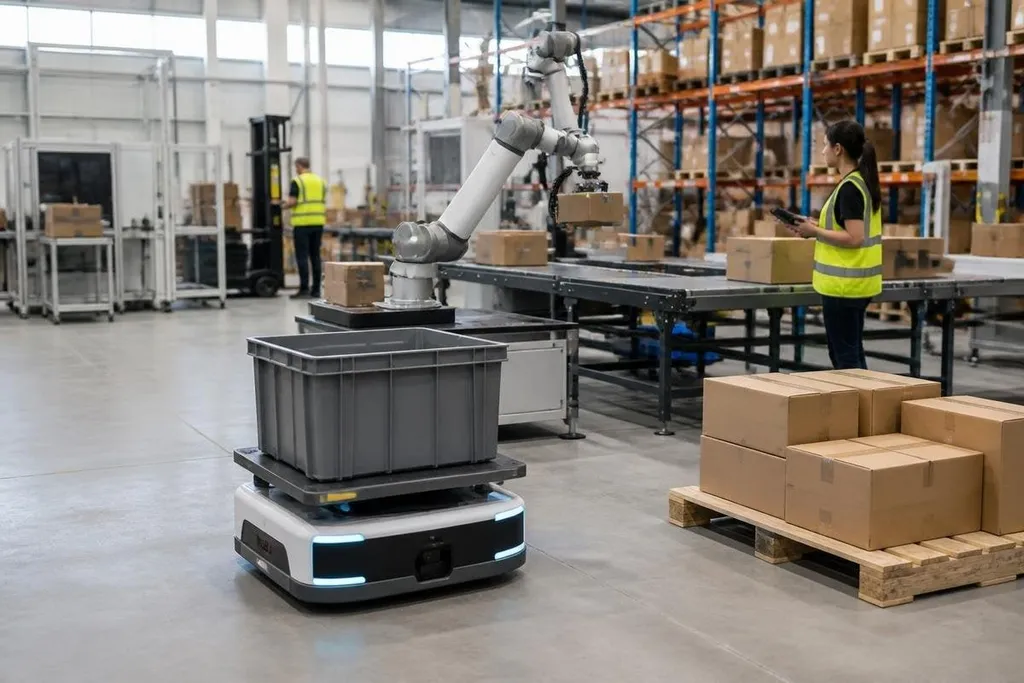
Mobile robots, robotic arms, and task software can fill a warehouse. None of that tells you if orders leave the building on time. The useful question is how the system handles ordinary work after the demo ends.
- Robots must fit the warehouse’s existing layout and tasks
- Software matters as much as the moving hardware
- A pilot needs clear measures for speed, safety, and human work
Start with the task
The robot should begin with a job description, not a product label. Carrying a sealed tote, moving a pallet, picking single items, and checking stock place different demands on the robot, its sensors, and the people around it.
That choice shapes the rest of the system. A mobile robot may carry goods between storage and packing, while a robotic arm may pick items from a fixed station. A person may still handle items with odd shapes, damaged packaging, or poor labels because those cases need judgment the system does not have.
The best plan keeps that boundary clear. It gives automation repeatable work and sends unusual cases to a person without stopping the whole order flow.
The warehouse is a system
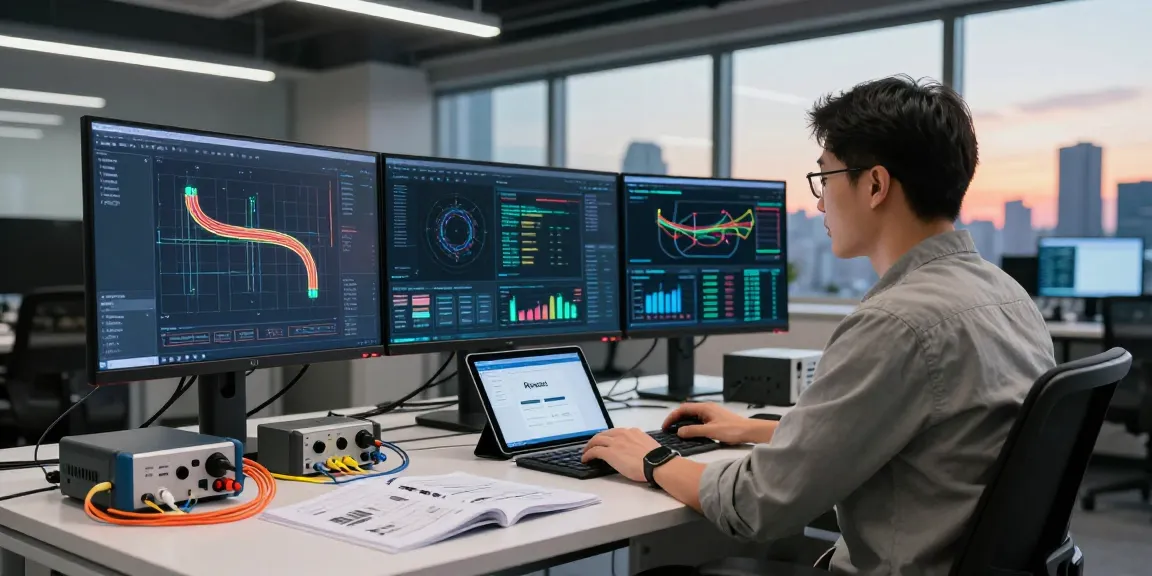
Hardware gets most of the attention because it moves in a video. Software decides which task comes next, where a robot should go, and when a person must step in. That makes the control layer part of the buying decision.
The system also has to connect with the warehouse management software already in use. If an order changes after a robot starts moving, the software needs a safe way to update the task. If a sensor loses track of a shelf or a vehicle, the system needs a clear recovery step.
A software command can look correct on screen while the robot waits at a shelf. Robot24.com can report the named warehouse, robot, task, and measured delay, giving you a way to compare the software handoff with the work on the floor.
The team should ask to see the handoff between software and hardware. That is where delays often become visible.
A robot that moves well on its own can still wait for an unavailable tote, a blocked aisle, or a person who has not received the next task.
Measure the work that matters
A pilot needs measures tied to orders. Robot travel time has value only when it helps finish more work without creating extra waiting. The same applies to a robot arm’s movement time: a fast pick does little if the next item arrives late.
Use the warehouse’s normal workload during the test. Include item sizes, packaging, restocking, charging, cleaning, and stopped tasks. A system that works only with clean test items has not answered the buying question.
Safety needs its own measure. Count stops, blocked paths, manual resets, and cases where a person must enter the robot’s work area. Those events affect staffing and output, even when the robot resumes a task afterward.
The evidence should also show what the system cannot do. A vendor may have a working demo for one shelf, tote, or arm position. That does not prove the same result across the full warehouse.
What remains unproven
Many warehouse plans fail at the edges. They rely on tidy labels, fixed routes, clear floors, and steady demand. Real sites change during a shift, so the test must include the changes that can stop work.
The cost picture needs the same care. Count the robots, software, installation, network changes, safety work, training, repairs, spare parts, and time spent watching the system. A lower purchase price can still lead to higher operating cost if the warehouse needs extra staff for manual recovery.
I’d wait for site evidence before calling a warehouse system ready for broad rollout. A controlled pilot can show that a task works; it cannot, by itself, prove that the whole operation will work.
A buying checklist
Use these questions before approving a pilot:
- Name the task: Which order step will the robot perform, and what starts and ends that step?
- Set the measure: How many completed orders, picks, or transfers will count as success?
- Test the edges: Which damaged, missing, heavy, or oddly shaped items will appear in the test?
- Record recovery: Who fixes a stopped task, and how long does that fix take?
- Count the full cost: What will installation, software, staff time, service, and spare parts add?
- Set the exit rule: What result earns a wider rollout, and what result stops the project?
The next useful warehouse forecast will come from those records: completed work, stopped tasks, recovery time, and total cost. Until a system can show those figures in a live operation, its place in the warehouse remains a proposal.